Yes, established Greater Kruger safari operations are designed to host visitors safely, but no travel can be promised risk-free. Safety comes from a suitable camp, trained staff, clear guest behaviour, planned transport and current travel advice.
“Is it safe?” is really four questions
Guests often combine wildlife, crime, roads and remote medical care into one large fear. Each has a different answer and a different control. A credible safari planner should talk through all four.
1. Wildlife and the open vehicle
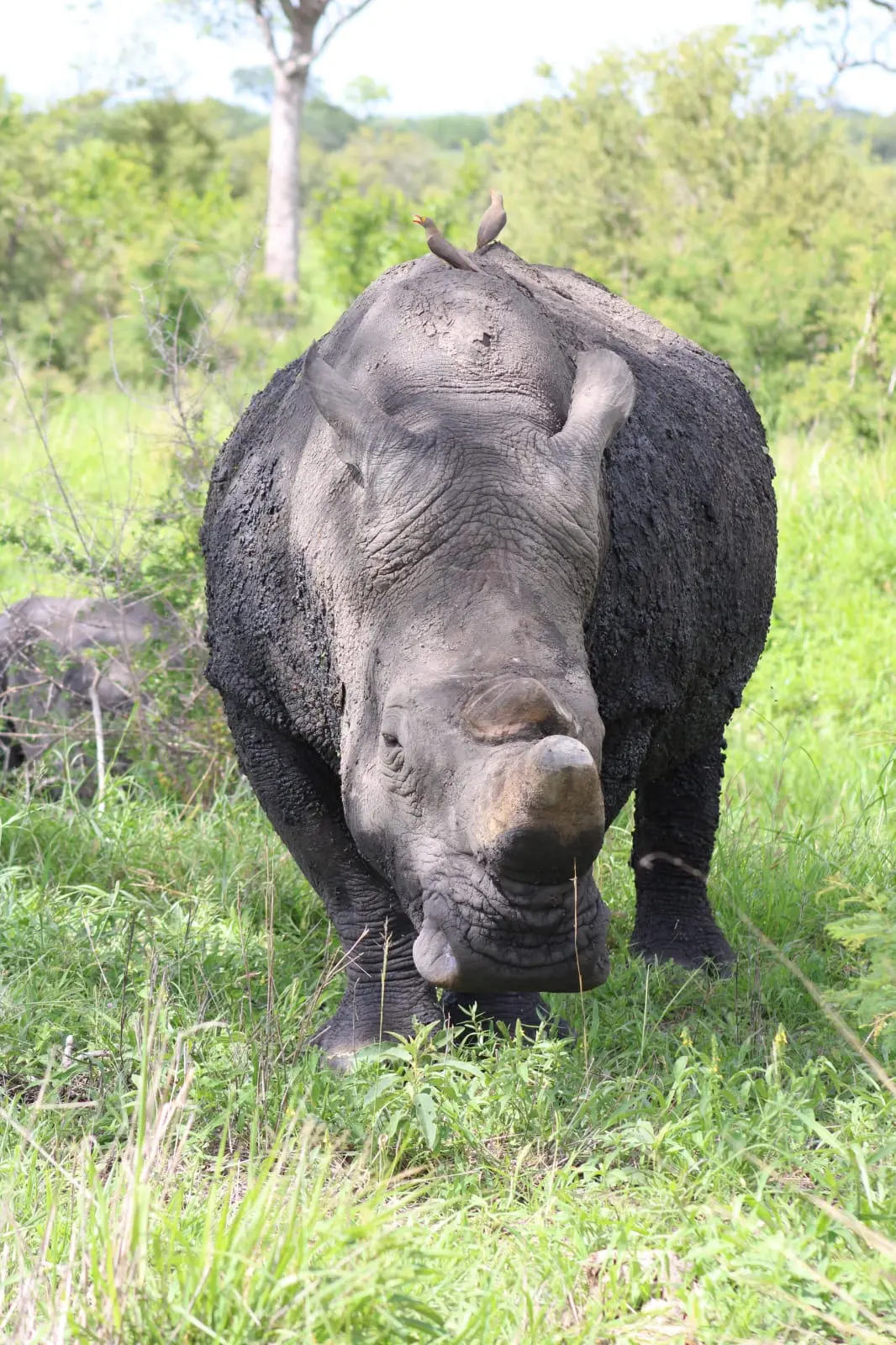
Wild animals are not tame. The vehicle is not a petting platform, and a close sighting does not remove the need for discipline. Guests should follow the guide’s instructions, remain seated when asked, keep voices controlled and never reach out toward an animal.
In national parks with dangerous animals, SANParks rules require guests to remain in vehicles outside designated areas. Private reserves have their own operating rules, briefings and guide procedures. The group should know which rules apply before the first drive.
The best safety system is a qualified guide, a clear briefing and guests who do what the guide asks.
Questions to ask
- Who guides the vehicle and which operator employs them?
- Is the vehicle private to the group?
- How are children seated and supervised?
- What happens if a guest ignores a field instruction?
- Are walks part of the plan, and which age or fitness rules apply?
2. Moving around camp
Some camps are fenced and some are open to wildlife. At an open camp, guests may need an escort after dark and may be asked not to walk between rooms and shared areas alone. Doors, food storage, decks and outdoor showers may have property-specific rules.
This can feel unfamiliar on the first evening. A clear arrival briefing turns it into a simple routine. Ask whether rooms are joined to the main area, how guests call for an escort and how children are managed at night.
3. Airport and road logistics
South Africa has road and crime risks that deserve practical planning. Current UK and US travel advice calls for added care around vehicles, valuables, isolated places, road travel and some transport settings.
A private safari plan can reduce uncertainty by naming the arrival point, driver, meeting place, vehicle and emergency contact. Guests should not need to negotiate an unknown transfer after landing. Travel times should include daylight, road conditions and a realistic rest stop when needed.
What the current US advisory means
Checked on 3 August 2026, the US Department of State lists South Africa at Level 2: Exercise Increased Caution. Its stated concerns are crime, terrorism, unrest and kidnapping. Level 2 is not a direction to avoid South Africa. It asks travellers to take added care and read the full country advice.
The US guidance advises travellers to avoid walking alone after dark, keep valuables discreet, travel with vehicle doors locked and windows closed, use carefully planned routes and avoid driving outside metropolitan areas at night. A named airport transfer and a daylight road plan put those points into practice.
US traveller checklist
- Read the latest US advisory again shortly before departure.
- Enroll in the Smart Traveler Enrollment Program (STEP) for US Embassy alerts.
- Carry a copy of the passport and keep the original secure.
- Check passport pages, passport validity and visa rules against the current country page.
- Save the driver, lodge, insurer and US mission contact details offline.
- Buy cover suited to the trip, including medical evacuation where the policy provides it.
A lower-stress arrival plan
- Receive the driver’s name and contact details before travel.
- Know the meeting point and what happens after a delayed flight.
- Keep valuables out of sight during road travel.
- Use a planned stop rather than an improvised isolated one.
- Carry copies of key documents and keep originals secure.
4. Medical events in a remote area
A safari camp is not a city hotel. Ask about the nearest suitable medical facility, staff communication, emergency transport and the role of travel insurance. Guests with health conditions should share relevant needs early enough for the property and transport fit to be checked.
Current official guidance recommends insurance that covers the itinerary, planned activities and emergency expenses. Check the policy wording for treatment and possible medical evacuation.
What the operator can control
| Risk area | Planning control |
|---|---|
| Wildlife | Qualified guide, suitable vehicle, guest briefing and enforced rules |
| Camp | Property briefing, escorts, room placement and child plan |
| Road | Named driver, confirmed route, realistic timing and contact plan |
| Medical | Health brief, facility check, emergency contacts and insurance |
What the guest controls
Guests control whether they follow guide instructions, share medical or mobility information, buy suitable insurance, secure valuables and check official travel advice close to departure. Silence about a concern does not make the concern smaller; it removes the planner’s chance to address it.
How Dagga Boys handles the safety conversation
The first call covers arrival, road transfers, ages, mobility, medical considerations and the type of camp. The proposal states the main operating roles. Property rules and emergency information are confirmed during pre-travel planning and the arrival briefing.
Current guidance: SANParks wildlife and vehicle rules, US Department of State advice for South Africa, US Smart Traveler Enrollment Program, UK safety advice for South Africa and UK insurance guidance.
Plan the safe route before choosing the camp
Tell Mike and Michel what worries the group. They will separate the risks and show which details need checking.
Discuss safe logistics